

Navigating the “Guilt Factor” for Rest and Self-Care
Why clinicians feel guilty resting and taking time for themselves and what to do about it.
By Anna Wong
Rest isn’t optional, it’s essential
Rest and play aren’t indulgences, dare I say they are professional responsibilities?!
When you don’t take care of yourself, how can you expect to care for others?
But invisible societal forces can make healthcare professionals feel guilty for taking the very care they need to sustain their work.
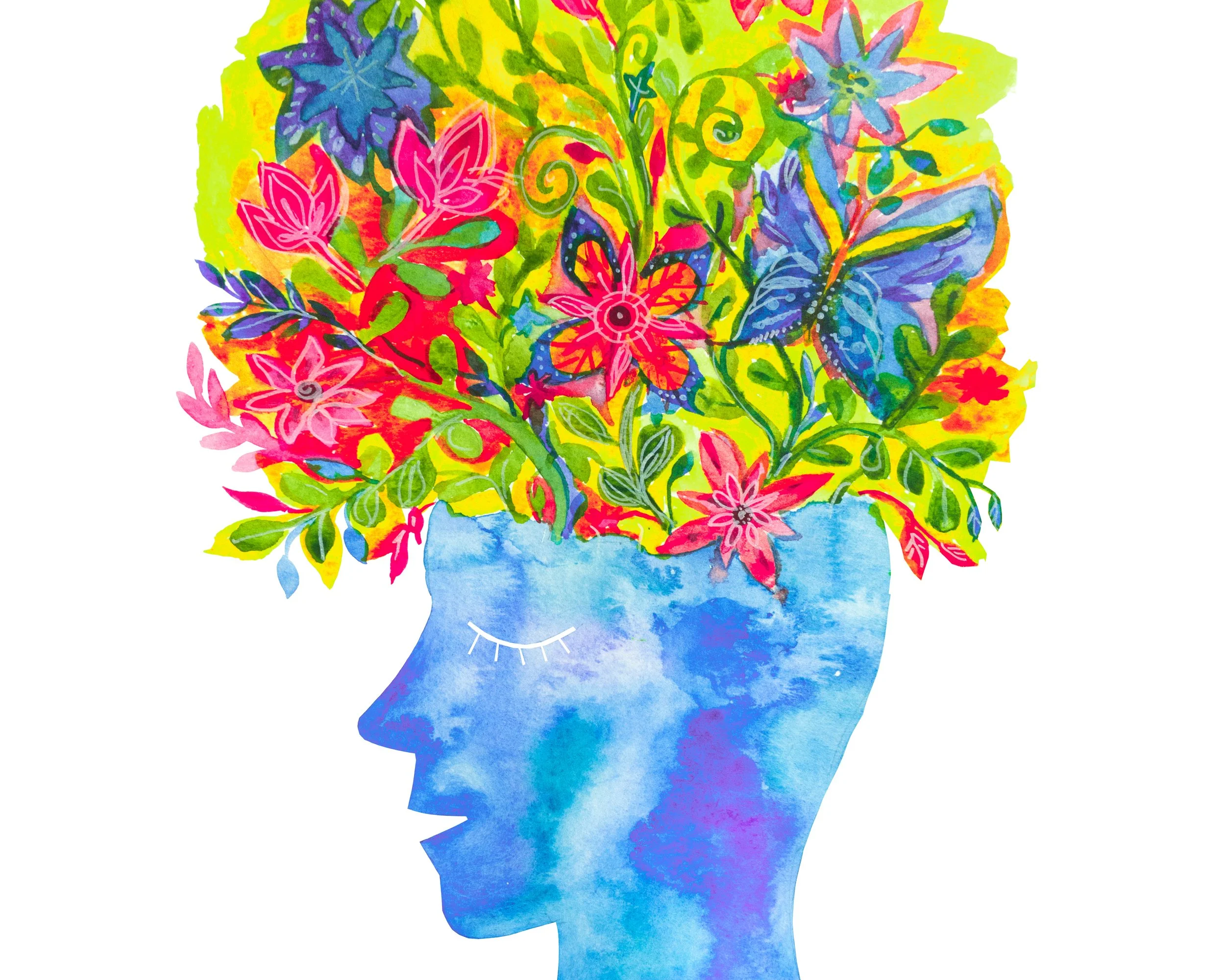
Illustration by Kateryna Kovarzh
The clinician’s paradox
If you work in healthcare, you are likely already familiar with the paradox: you encourage your patients to pace themselves, take breaks, and exercise, yet you struggle to grant yourself the same time to do so.
For clinicians who are also parents, partners, or caregivers for aging parents, the load grows even heavier.
The internal narrative becomes, “If I take time for myself, I am taking time away from someone who needs me.”
But this equation is false. Your capacity as a clinician and your other helping roles is directly tied to how well you care for the person holding all those roles: yourself.
“I feel guilty taking time for myself.”
Over the years of delivering workshops about well-being, someone will eventually share: “I know I need rest, but I feel guilty taking it.”
One clinician described a typical day of a full caseload of patients, picking up her child from daycare, and checking in on her mother before settling in for the evening. When she finally sat down to take a break, instead of feeling relief, she felt a quiet tug of guilt, as though there was always something more she “should” be doing.
Skovholt and Trotter-Mathison (2016), in their book “The Resilient Practitioner”, reminds us that just as opera singers protect their voices and carpenters care for their tools, helping professionals must care for themselves - ourselves as the tool to care for others. Our energy, attention, and emotional presence are our instruments, and they require maintenance to stay strong and well.
The invisible forces that make it feel difficult to rest.
Many of the pressures that make rest feel “guilty” or “selfish” are not personal shortcomings but cultural scripts that we have absorbed over years of training and socialization.
Capitalism and Hustle Culture
Stephanie Harrison, founder of The New Happy, writes about how modern capitalism conditions us to believe that our worth comes from our productivity. This messaging can encourage people to treat every moment as an opportunity to produce, optimize, or advance. It is no wonder, then, that rest can feel weird.This mindset shows up in subtle ways. When I recently bought a Cricut (a “smart” printer that you can make fun custom stickers!), my first instinct was, “Maybe I should start an Etsy store.” A hobby that was meant for creativity and play was instantly reframed into “side hustle”. It made me pause and ask why so many of us feel pressure to turn joy and play into “productivity”.
Wellness as a Commodity
Another invisible force is the way wellness has been commodified. We are bombarded with marketing messages (think instagram reels) that self-care and well-being is something to be purchased: boutique fitness memberships, skin-care routines, matcha lattes, red-light masks. These images can distort our understanding of what wellbeing actually requires.
True wellbeing is not something we can easily purchase. It isn’t a luxury product or a curated experience. Real wellbeing grows out of everyday habits and conditions that support us physically, mentally, and socially. It might look like doing work that feels meaningful, taking a quiet walk through a neighbourhood park, or having a nice chat with a friend. These small acts are simple, but they matter.Our ability to access these daily practices is shaped by the systems around us: everything from capitalism and work culture to healthcare access, income, neighbourhood design, and availability of green space. Wellbeing is not just an individual choice; it is supported or constrained by the environments we live in.
The Helper Identity
For many healthcare workers, the “helping role” doesn’t end with the workday. You might be the parent managing schedules and soothing big emotions, the adult child checking in on aging parents, the dependable friend, the community organizer.When helping becomes part of your identity, not just something you do, but something you are, it can feel uncomfortable to shift attention inward.
Healthcare training reinforces this by celebrating self-sacrifice, perseverance, and going “above and beyond.” Over time, the idea of tending to your own needs can feel unfamiliar or even self-indulgent.
When you begin to name these invisible forces, something important happens. Rest stops feeling like a personal failure and starts to look like a predictable response to cultural pressures that shape how we work, care, and show up in the world. Once we understand why rest feels difficult, we can shift the conversation away from guilt and toward practices that genuinely support our wellbeing.
This is where Dr. Corey Keyes’ work on flourishing becomes especially helpful. His framework offers five simple, evidence-informed “vitamins” that help clinicians replenish their energy, reconnect with meaning, and build the inner resources needed to sustain this work over time.
Five Vitamins for Flourishing For Clinicians
Dr. Corey Keyes describes flourishing as feeling good and function well in daily life. Keyes offers five “vitamins” that help nurture these capacities:
1. Follow Your Curiosity
Learning something new strengthens your sense of competence and growth. For clinicians, following curiosity can feel like a refreshing form of rest because it breaks routine and reminds you that you are more than your professional role.
2. Build Warm, Trusting Relationships
High-quality relationships protect us from stress and help us feel grounded. Spending time with people who truly know you provides emotional rest and creates moments where you can simply be yourself.
3. Move Closer to the Sacred or the Quiet
Spending time in nature, engaging in spiritual or reflective practices, or simply creating moments of stillness can restore perspective. These practices give your nervous system space to settle and offer a form of spiritual and emotional rest.
4. Live Your Purpose
Reconnecting with what gives your life meaning can bring a sense of calm and direction. For clinicians, remembering why you chose this work can create mental rest by reducing pressure and quieting feelings of self-doubt or comparison.
5. Play as Freedom From Productivity
Play allows you to engage in something enjoyable purely for the sake of enjoyment, without needing to achieve anything. This kind of joyful activity is a powerful form of rest because it reconnects you with creativity and delight.
Concluding Thoughts
Rest is not something you must earn. It is a foundational part of sustaining your ability to care, think clearly, and show up with compassion in you work and life.
When you understand the cultural forces that make rest feel “selfish” with attached guilt, it becomes easier to challenge the guilt and make room for practices that genuinely support your wellbeing.
Flourishing grows from small, consistent habits that help you reconnect with curiosity, connection, purpose, reflection, and play. You deserve the same care that you offer to everyone else!
References
Harrison, S. (2022). The New Happy: The secret to feeling good and doing good.
Keyes, C. L. M. (2024). Languishing: How to feel alive again in a world that wears us down. Crown Publishing Group.
Skovholt, T. M., & Trotter-Mathison, M. (2014). The resilient practitioner: Burnout and compassion fatigue prevention and self-care strategies for the helping professions (2nd ed.). Routledge.